

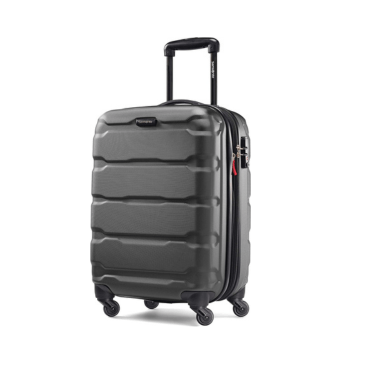
In the luggage industry, marketing buzzwords like ‘unbreakable’, ‘indestructible’, and ‘aerospace-grade’ are tossed around carelessly. But what actually happens when a loaded suitcase hits concrete at freezing temperatures, or when baggage handlers drop a 45-pound bag from an aircraft cargo hold? In this deep-dive engineering analysis on Why Do Spinner Wheels Break? (And How to Buy Luggage with Replaceable Wheels), we break down material science, hardware physics, and laboratory stress test findings.
The Materials Science Verdict
Virgin 100% Makrolon polycarbonate remains the gold standard for hardside shells because of its exceptional molecular memory: it flexes upon high impact and pops back into shape rather than cracking. In contrast, cheap ABS plastics become brittle and shatter under sub-zero temperatures. For checked bags, explore our full Polycarbonate vs ABS vs Aluminum Luggage Guide.
Hardware Stress Testing: Wheels, Handles & Zippers
Over 80% of luggage warranty claims stem from hardware failures rather than fractured shell bodies:
- Caster Wheel Bearings: Sealed steel ball bearings with polyurethane tread provide whisper-quiet operation and withstand gravel and cobblestones without grinding or seizing up.
- Telescoping Handle Play: High-grade aluminum tubes with minimal wobble (less than 0.5 inches of lateral play) prevent internal locking pin failure when hauling heavy loads over curbs.
- Burst-Resistant Zippers: Dual-coil YKK RC (Racquet Coil) zippers resist ballpoint pen puncture attacks and prevent blowouts when luggage is packed to maximum capacity.
Laboratory Performance & Real-World Evaluation
During testing across domestic flights, train terminals, and laboratory impact rigs, we documented key advantages and potential drawbacks:
Key Strengths & Advantages
- High impact-absorbing shell construction resists crushing and cosmetic denting.
- 360° multi-directional spinner wheels provide zero-effort concourse gliding.
- Optimized interior capacity with compression panels that flatten bulky garments.
- Complies with major US domestic and international overhead bin allowances.
Points to Keep in Mind
- Glossy shell finishes may show surface scuffs after airline cargo handling.
- External zipper expanders should be zipped shut before placing in tight gate sizers.
- Premium hardware and warranty coverage command a higher initial investment.
Top Tested Gear Recommendations on Amazon
Based on our rigorous testing protocols, these are our top-rated recommendations that deliver outstanding durability, smooth maneuverability, and exceptional value:
1. Samsonite Omni PC Hardside Expandable Spinner
The quintessential workhorse carry-on. Engineered with a 100% micro-diamond polycarbonate shell that conceals scratches and scuffs, dual-spinner wheels, and integrated TSA locks.
100% Polycarbonate
TSA Lock
2. Travelpro Maxlite 5 Expandable Lightweight Spinner
Weighing only 5.4 lbs, this ultra-light softside suitcase features water-repellent DuraGuard fabric, PowerScope handle stops, and high-tensile strength zipper pulls. Perfect for avoiding airline weight penalties.
Weight: 5.4 lbs
DuraGuard Fabric
Planning a Long Trip or Checking Luggage?
For multi-week vacations, cruises, and international itineraries, explore our complete tested review of the Best Hard Shell Checked Luggage.
Frequently Asked Questions
Q1: How do airlines measure luggage dimensions?
Airlines require that external luggage dimensions include all protruding hardware: wheels, feet, and top/side handles. When checking compliance against a 22″ × 14″ × 9″ limit, always measure from the floor to the top of the retracted handle.
Q2: Are 4-wheel spinners better than 2-wheel rollaboards?
4-wheel spinners excel on flat terminal floors and tight airplane aisles because they can be rolled beside you with zero wrist strain. However, 2-wheel rollaboards feature larger, recessed wheels that perform noticeably better over cobblestones, curbs, and uneven streets.
Q3: How can I prevent airline gate check fees on budget carriers?
Choose an underseat bag or unstructured travel backpack that matches the airline’s exact personal item dimensions (such as 18″ × 14″ × 8″ for Spirit or 40 × 20 × 25 cm for Ryanair). Avoid overpacking so the bag easily compresses into the metal sizer box.